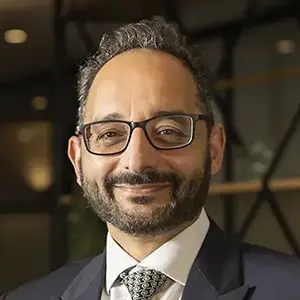
ACNES stands for Abdominal Cutaneous Nerve Entrapment Release. Some patients will suffer from chronic abdominal pain. Often without any success in finding the cause through normal means such as scans and scopes. There are a series of nerves along the abdomen which can sometimes get trapped leading to severe pain or discomfort.
Mr Amir Tadros has pioneered surgery for these patients which leads in the majority of cases to improvement or full relief of the symptoms. His work has been published in peer review papers and has been presented in international pain meetings.
Link to paper: https://pubmed.ncbi.nlm.nih.gov/36389004/
What is ACNES?
A group of nerves come out on either side of the belly button to supply the skin of the abdomen. Sometimes they get stuck in the tight white sheath surrounding the rectus muscle. This can lead to severe chronic pain that is very difficult to diagnose.
How do I know if I have ACNES?
The best way to diagnose ACNES is by getting an ultrasound guided injection into the suspect nerves. Mr Tadros usually requires 2 steroid injections leading to improvement in the symptoms. Once ACNES is confirmed, the nerves are released surgically.
What happens once a diagnosis is made?
Mr Tadros is the first person in the UK to carry out ACNES release. The procedure involves releasing the nerves around the sheath which surrounds the rectus muscle. The success of the procedure has been very encouraging. The results have been announced in several international meetings. The new procedure innovated by Mr Tadros has also been formally accepted as a specific operation by the Royal College of Surgeons.
How is it diagnosed?
Because of its relatively unknown and the fact that very few centres in the world carry out this surgery, most patients and physicians make the diagnosis after a process of elimination. Often patients have exhausted multiple investigations ranging from scans to invasive procedures such as key hole surgery before a diagnosis of ACNES is made usually in 90% of the cases
Frequently Asked Questions
How long will recovery take after body surgery?
Recovery time varies depending on the type of procedure and individual healing. Some people may return to light activities within a few weeks, while full recovery may take several months.
Will I need to stay overnight in hospital?
Some procedures require an overnight stay, while others may be performed as day surgery. This will depend on the extent of surgery and your overall health.
Where will my scars be, and how noticeable will they become?
Scars are an expected outcome of surgery. Their location and appearance vary depending on the procedure and individual healing. They generally improve over time but remain permanent.
Can I combine different body procedures in one surgery?
In some cases, procedures can be combined. This depends on the type of surgery, overall health, and the expected recovery. The suitability of combining procedures will be discussed during consultation.
Will results be permanent if I maintain a stable weight?
Surgical results can be long-lasting, but they are not permanent. Ageing, weight changes, and lifestyle factors can influence outcomes over time.
Ready to reshape your body with confidence?
Book a consultation with Mr Tadros today to discuss the options best suited to your goals.